


What Is An ACL Tear?
ACL stands for Anterior Cruciate Ligament, a key knee ligament resembling a rope-like structure. Positioned diagonally within the knee, the ACL connects the thigh bone (femur) to the shin bone (tibia), effectively preventing excessive forward sliding and rotation of the shin bone. The ACL intersects with the Posterior Cruciate Ligament (PCL), forming an X-like structure within the knee joint. Together, they control the front and back movement of the knee.
ACL injuries are considered sprains and are graded on a severity scale:
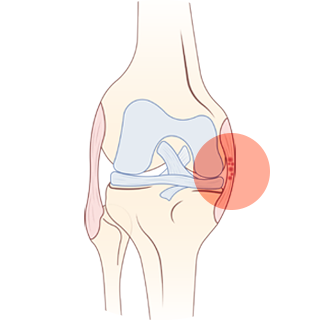
Grade 1
The ligament incurs mildly damage and slight stretching but remains capable of keeping the knee joint stable.
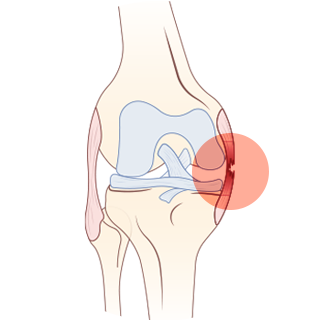
Grade 2
Commonly referred to as a partial tear, the ACL is stretched to the point where it becomes loose.
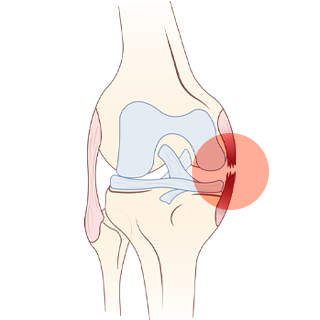
Grade 3
Often described as a complete tear, the ligament is torn in half or pulled directly off the bone, resulting in an unstable knee joint.
Approximately half of ACL injuries occur alongside damage to other knee structures, such as articular cartilage, meniscus, or additional ligaments.
For a detailed diagnosis and prompt treatment, reach us at 9711 8888 for same-day or next-day consultation.
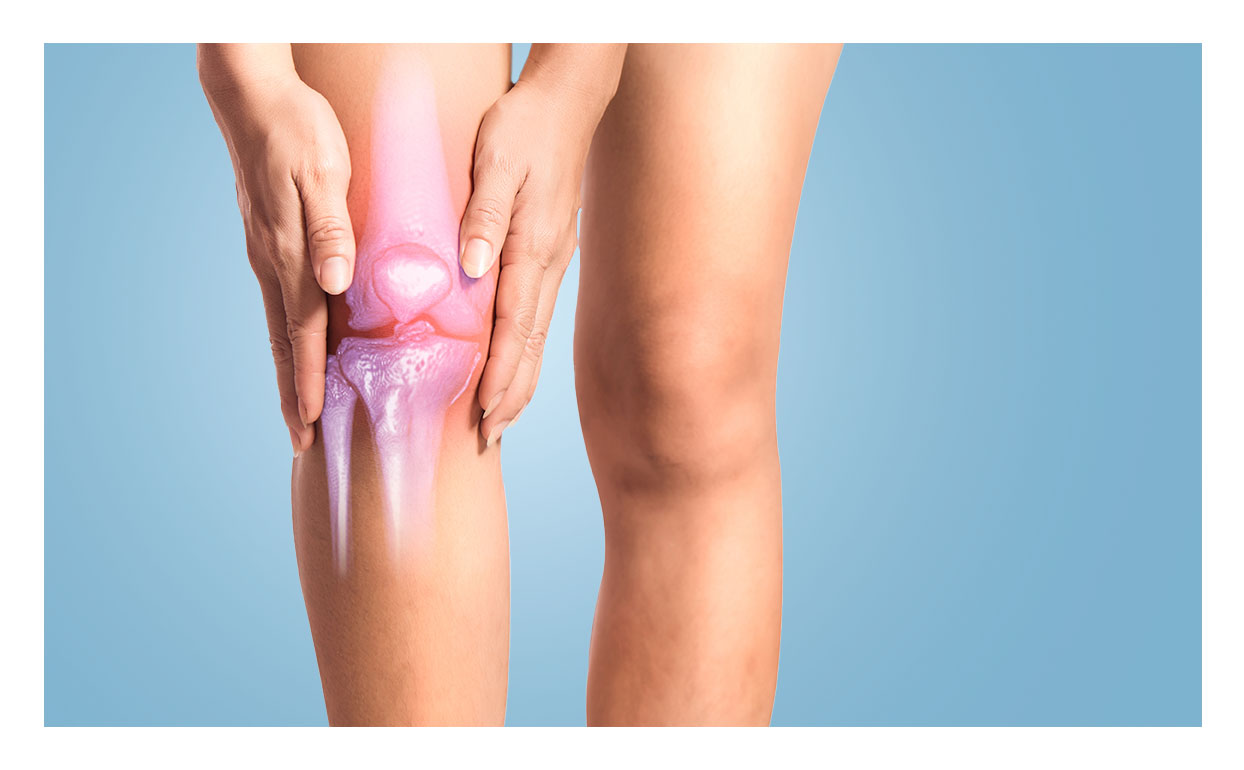
Common Causes of
ACL Tears
 Direct impact or collision Swiftly pivoting with a planted foot Sudden deceleration during a run Awkward landing after a jump
ACL Injury Risk Factors
Factors that increase the risk of an ACL tear can be categorised into individual and environmental risk factors.
Individual Risk Factors
- Female physiological features such as wider hips, smaller thighbones, and joint and ligament laxity.
- Poor neuromuscular control affects the body's ability to perform precise movements and coordination.
- Poor landing technique like keeping feet flat, locking knees, or pointing them towards each other.
- Weak core muscles affect stability in the torso and hips, resulting in added pressure on the knees.
- Muscle strength imbalance, favouring quadriceps over hamstrings, increases ACL injury risk due to shinbone displacement.
Environmental Risk Factors
- Dry weather increases friction between the ground and shoes, which affects athletes pivoting and shifting.
- Artificial surfaces create more friction between shoes and the ground compared to natural surfaces.
Athletes can enhance their resistance to ACL injuries with a personalised training programme that addresses controllable risk factors.
Reach out to us at 9711 8888 to start your tailored injury prevention journey.
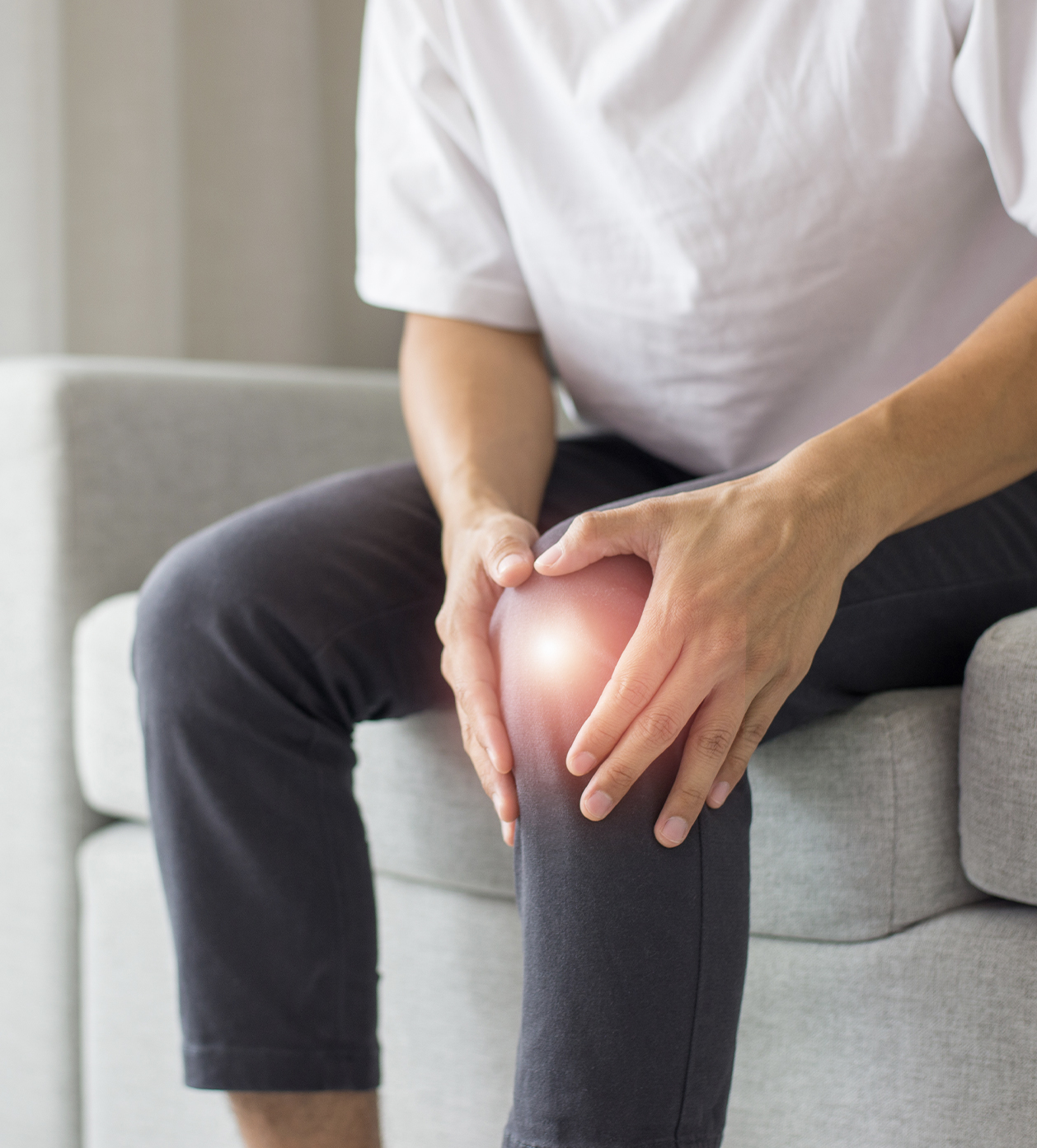
Signs & Symptoms of
ACL Injury
At Axis Orthopaedic Centre, supporting our patients in their recovery and regaining of mobility is our top priority.
We warmly welcome patients with ACL injuries to experience our tailored treatment. Call us at 9711 8888 for same-day or next day consultation!
Contact Info

Mount Elizabeth Novena Medical Centre
38 Irrawaddy Road, #06-33
Singapore 329563
Parkway East Medical Centre
319 Joo Chiat Place, #04-08,
Singapore 427989
Mount Alvernia
Medical Centre A
820 Thomson Road, #03-08,
Singapore 574623

Telephone



Operating Hours
| Mon - Fri | : | 8:30am - 5:30pm |
| Sat | : | 8:30am - 12:30pm |
| Sun & PH | : | Closed |