


Treating ACL Injuries
Anterior cruciate ligament (ACL) injuries are common in sports, especially those involved in sports that involve sudden stops, changes in direction, or jumping. Right after sustaining an ACL injury, RICE therapy - Rest, Ice, Compression, and Elevation - is the recommended home treatment to alleviate pain, reduce inflammation and speed up healing.
Prompt and appropriate treatment, along with focused rehabilitation, is vital for recovering from these injuries and preventing future occurrences. Additionally, emphasising injury prevention through proper training and conditioning can significantly reduce the risk of ACL injuries.
Diagnosis
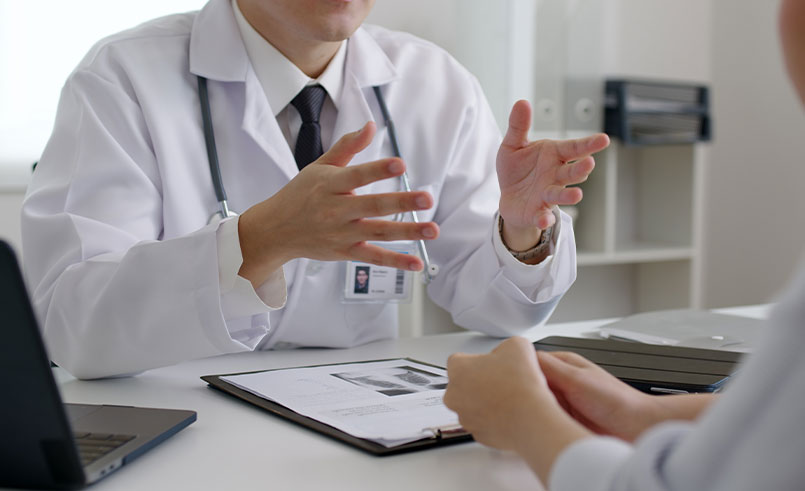
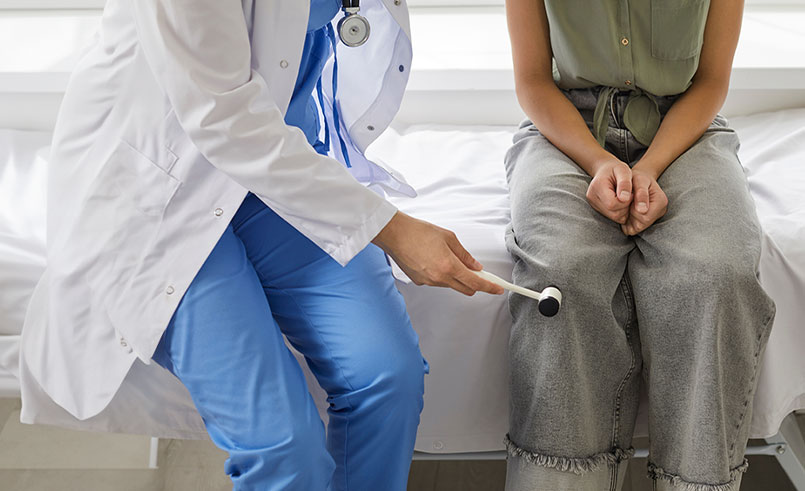
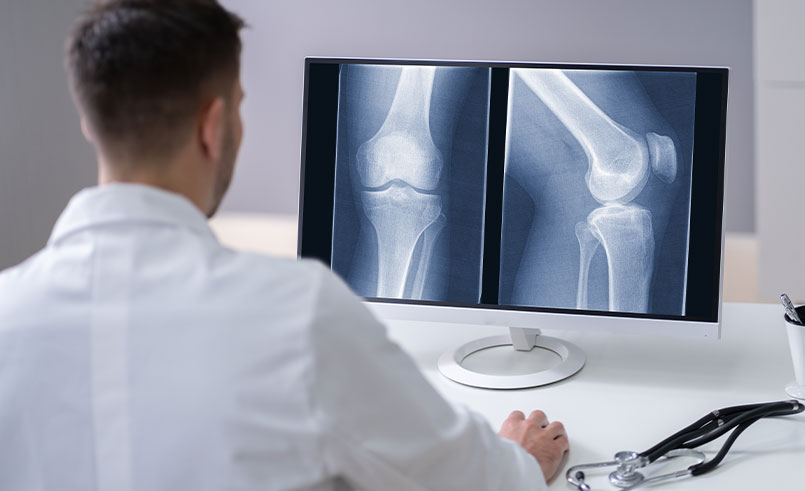
Untreated ACL tears can result in future injuries such as knee instability, meniscal injury, osteoarthritis, and harm to surrounding cartilage. Ultimately, this increases the likelihood of requiring a total joint replacement.
Treatment Options
Treatment for an ACL injury varies based on the severity of the injury.
Non-Surgical Options
- Use of assistive devices such as crutches, a knee brace, or knee immobiliser for added support and to aid healing.
- Physiotherapy and rehabilitation to improve the range of movement, proprioception, and stability of the knee joint.
- Nonsteroidal anti-inflammatory medication (NSAIDs) like ibuprofen or aspirin to reduce pain and swelling.
- Patient education on how to perform exercises and movements correctly to prevent re-injury.
ACL Reconstruction Surgery
ACL treatment typically involves replacing the torn ligament with a graft made from a tendon, promoting long-term stability and recovery compared to repairs with sutures. A graft can be obtained from the patient's tendon (autograft) or donor's tissue (allograft).
The choice of graft type should be tailored to the patient's individual circumstances, including age, activity level, and lifestyle. A thorough discussion with your ACL surgeon is essential to make an informed decision.
Post-Treatment Timeline
Minimally invasive surgeries are outpatient procedures offering benefits including smaller scars, lesser pain, and shorter downtime. Usually, you can be discharged on the same day after the procedure.
Following surgery, a qualified physiotherapist will work with you to develop a personalised rehabilitation plan. Typically, rehabilitation after ACL surgery takes about 9 months to achieve a complete return to sports. However, this duration may vary for each individual based on their unique circumstances.
It is crucial to be patient with your body and not rush the recovery process, as this could heighten the risk of re-rupture. Allow your knee to undergo sufficient healing and strengthening before engaging in sports to achieve a successful and enduring recovery.
At Axis Orthopaedic Centre, supporting our patients in their recovery and regaining of mobility is our top priority.
We warmly welcome patients with ACL injuries to experience our tailored treatment. Call us at 9711 8888 for same-day or next day consultation!
Contact Info

Mount Elizabeth Novena Medical Centre
38 Irrawaddy Road, #06-33
Singapore 329563
Parkway East Medical Centre
319 Joo Chiat Place, #04-08,
Singapore 427989
Mount Alvernia
Medical Centre A
820 Thomson Road, #03-08,
Singapore 574623

Telephone



Operating Hours
| Mon - Fri | : | 8:30am - 5:30pm |
| Sat | : | 8:30am - 12:30pm |
| Sun & PH | : | Closed |